Source Soup Kettle Options for Restaurant, Hotel, and Buffet Use
Explore 30 soup kettle listings tailored for restaurant, hotel, and buffet applications. Compare features like gas or electric heating, stainless steel construction, and custom branding options to find the right equipment for your serving needs; compare the available evidence and request quotations based on your requirements.
Key considerations
Products List






Comprehensive Sourcing Guide
Soup Kettle Sourcing Guide
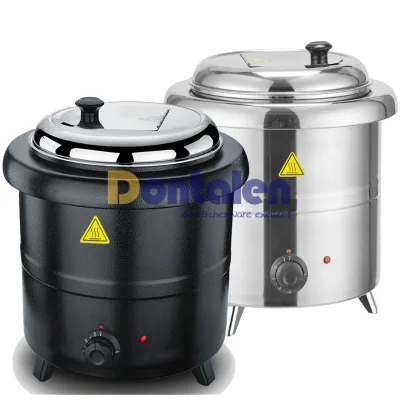
Buyers must first distinguish between industrial gas-heated units and compact electric models based on their specific operational environment. The market data indicates a clear divergence where some units operate on 380V gas power with substantial dimensions like 900mm diameter, while others are designed for 220V electric use with smaller footprints suitable for buffet service. This distinction dictates the necessary infrastructure, such as gas lines versus electrical capacity, before any procurement decision is finalized.
Procurement teams should also evaluate the intended application context, as listings show products ranging from heavy-duty commercial soup makers to smaller tableware items. Some units are explicitly marketed for restaurant and hotel serving, while others target home or general buffet usage. Understanding whether the primary need is high-volume continuous heating or intermittent serving is critical for selecting the correct voltage, power source, and physical capacity to match the facility's workflow.
Product Scope and Observed Listing Signals
The observed product range reveals significant variation in material composition, with some units constructed from stainless steel and others listed with plastic or resin components. Buyers must verify the actual contact surface material to ensure food safety compliance, as the presence of plastic in the general listing data does not guarantee suitability for hot liquid food service without specific certification. This material variance directly impacts durability and the ability to withstand repeated thermal cycling in a commercial kitchen setting.
Listing signals also highlight diverse packaging standards, ranging from fumigation-free wooden cases for large industrial units to master boxes or cartons for smaller appliances. These packaging differences often correlate with the product's weight and fragility, influencing shipping costs and handling requirements. A 260kg unit requires specialized logistics compared to a 5.2kg item, so buyers should align their shipping strategy with the specific packing method observed in the supplier's catalog to avoid unexpected freight charges.
Technical Specifications to Verify
Voltage and power source compatibility represent the most critical technical parameters, as the market offers both 380V gas/steam options and 220V electric models. Buyers must confirm the exact voltage requirement against their facility's power grid to prevent equipment failure or safety hazards. Additionally, the presence or absence of a timing device should be verified, as some units lack this feature entirely, requiring manual monitoring of the heating cycle to prevent overheating or food spoilage.
Physical dimensions and capacity must be cross-referenced with the available floor space and expected serving volume. Specifications vary widely, with some units measuring 900mm in diameter and others fitting within a 340mm footprint. Buyers should also check the volume capacity, noting that some listings indicate less than one liter while others specify 10 liters, ensuring the selected unit can handle the required throughput without frequent refilling or excessive energy consumption during operation.
Compliance and Safety Documentation
Certification status is a primary verification point, with some suppliers explicitly listing ISO and CE compliance for their stainless steel units. Buyers should request current certificates to confirm that the electrical and mechanical safety standards meet the regulations of their destination country. Relying on general market claims without documented proof can lead to customs delays or liability issues if the equipment fails to meet local safety codes during an inspection.
Material safety certifications are equally important, particularly when the product involves direct contact with food. While some listings mention eco-friendly features, buyers must ensure that the specific materials used, such as stainless steel or plastic, are food-grade and free from harmful leaching agents. Documentation should explicitly state compliance with food safety standards, as the general listing of "plastic" or "resin" without specific grade information is insufficient for commercial food service applications.
Cost Drivers and Commercial Terms
Pricing in this category is highly variable, with observed ranges spanning from 0.5 USD to 7000 USD depending on the complexity and size of the unit. The cost is driven by factors such as the power source, material quality, and whether the unit includes custom branding or specialized features like a cover. Buyers should expect that industrial-grade gas units with large capacities will command a significantly higher price point compared to smaller electric models intended for light-duty use.
Minimum Order Quantity (MOQ) terms also vary, with some suppliers offering single-unit purchases while others require orders up to 2000 sets. This flexibility allows buyers to test the market with small orders or secure bulk pricing for large deployments. However, the MOQ requirement can impact the total landed cost, so procurement teams must calculate the per-unit price based on the specific order volume to determine the most economical purchasing strategy for their needs.
Supplier Qualification and Quality Control
Supplier origin and manufacturing location are key indicators of supply chain reliability, with major production hubs identified in Henan and Guangdong provinces in China. Buyers should verify the specific factory location to assess logistics lead times and potential trade barriers. Understanding the geographic origin helps in estimating shipping durations and evaluating the supplier's familiarity with international export requirements and documentation standards.
Quality control processes should be validated through the supplier's ability to provide detailed product specifications and consistent packaging standards. The presence of customized options, such as logos or specific dimensions, indicates a supplier capable of adapting to buyer requirements, but this flexibility must be balanced with rigorous quality checks. Buyers should request samples or third-party inspection reports to ensure that the customized features do not compromise the structural integrity or safety of the final product.
Long-Term Procurement Checks
Sustainability and maintenance requirements are essential for long-term operational efficiency, particularly regarding the heating mode and material durability. Units with gas or electric heating modes may have different maintenance schedules and energy consumption profiles that affect the total cost of ownership. Buyers should inquire about the availability of replacement parts and the expected lifespan of components like heating elements to ensure the equipment remains viable over several years of use.
Brand reputation and after-sales support capabilities should be evaluated to mitigate risks associated with equipment failure. While some listings mention specific brand names, the absence of a brand does not preclude quality, but it does require more rigorous vetting of the supplier's support infrastructure. Establishing a clear communication channel for technical support and warranty claims is crucial for maintaining continuous service in a commercial kitchen environment where downtime can result in significant revenue loss.
FAQs
What voltage options are available for soup kettles?
Soup kettles are available in multiple voltage options including 220V, 220-240V, and 380V to suit different regional power standards. Some models support both electric and gas heating modes, ensuring flexibility for various kitchen environments and operational requirements.
Can I customize the logo on the soup kettle?
Yes, you can customize the logo on the soup kettle as the product accepts customized branding. This allows businesses to add their own identity to the equipment, making it suitable for branded restaurant or hotel serving applications while maintaining standard functionality.
What is the minimum order quantity for these units?
The minimum order quantity is one set for the soup kettle, allowing small buyers to purchase single units. This low entry threshold supports testing new products or small-scale operations without requiring large initial inventory commitments or bulk purchasing agreements.
Which materials are used to construct the soup kettle?
The soup kettle is constructed from materials such as stainless steel, specifically SS201, and some variants use plastic components. These materials ensure durability and safety for food contact, meeting the requirements for use in restaurants, hotels, and buffet serving stations.
How is the soup kettle packaged for shipping?
The product is packaged in fumigation-free wooden cases, master boxes, or cartons depending on the specific model. This varied packaging ensures safe transport while protecting the unit from damage during transit to international destinations from China.
What certifications do the soup kettles hold?
The soup kettles hold ISO and CE certifications, indicating compliance with international safety and quality standards. These certifications verify that the manufacturing processes and product safety meet the necessary regulatory requirements for export and use in commercial food service environments.
What is the capacity of the soup kettle models?
Available models range from less than one liter to ten liters in capacity, catering to different serving needs. This variety allows buyers to select the appropriate size for specific applications, whether for small individual servings or larger buffet operations.